Evaluating the Día De Muertos 3D Paper Cut Shadow Box for Cultural Decor
The Día De Muertos 3D Paper Cut Shadow Box represents a modern intersection of traditional Hispanic heritage and contemporary crafting techniques. As families and individuals seek meaningful ways to honor the Day of the Dead, these layered paper artworks have emerged as a popular method for creating respectful, intricate displays. Unlike flat prints or mass-produced plastic decorations, a shadow box utilizes depth and lighting to bring the symbolism of the holiday to life. This evaluation explores the practical aspects, benefits, and considerations involved in selecting or creating one of these pieces, specifically focusing on designs like the guitar-themed variant often found in digital template libraries.
Understanding the Craft and Cultural Significance
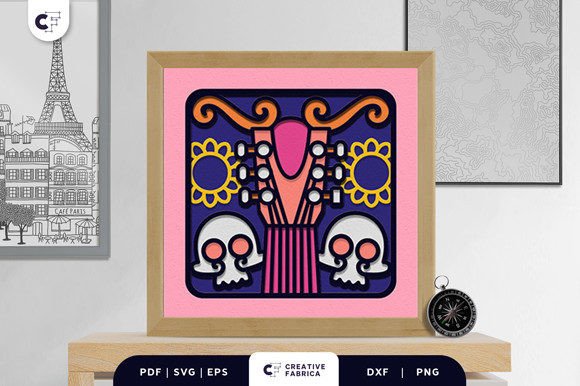
At its core, a Día De Muertos 3D Paper Cut Shadow Box is a multi-layered graphic assembly. The craft involves stacking precisely cut sheets of cardstock, separated by spacers, to create a three-dimensional scene within a framed enclosure. The specific design mentioned in many crafting circles features a guitar, an instrument deeply tied to the musical traditions of Mexico and the broader Latin American culture. Music is frequently present during ofrendas (altars) and gatherings, making the guitar a poignant symbol of celebration and remembrance.
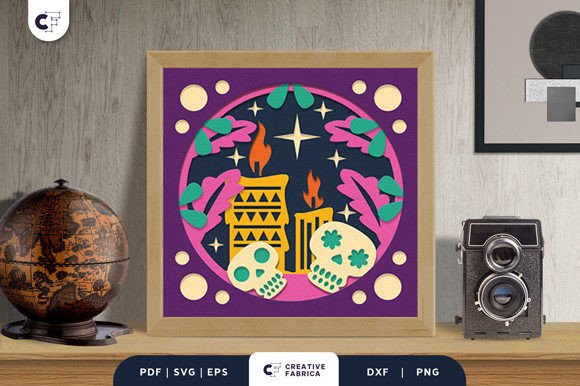
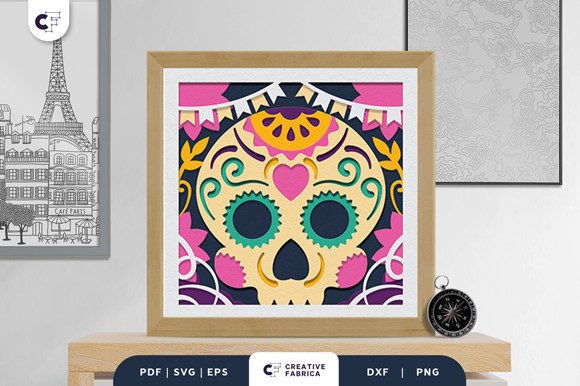
The visual complexity of these boxes relies on the interplay of colors and graphics. A standard design might incorporate eight distinct layers, each contributing to the overall depth. When assembled, the foreground elements—such as the guitar, marigolds (cempasúchil), or sugar skulls—appear to float against a detailed background. This technique transforms a static image into a dynamic piece of home decor that changes appearance depending on the angle of view and the presence of light.
Reasons to Choose a 3D Paper Cut Project
There are several compelling reasons why an individual might choose this specific type of decoration over traditional alternatives. Primarily, it offers a hands-on approach to cultural observance. For those who wish to actively participate in the preparation for Día de Muertos rather than simply purchasing a finished item, assembling a shadow box provides a meditative and engaging activity. The process of cutting, layering, and adhering allows the creator to invest time and care into the tribute, which aligns with the holiday's spirit of honoring loved ones through effort and devotion.
Furthermore, the aesthetic appeal of 3D paper art is distinct. The shadows cast between the layers add a level of sophistication that flat artwork cannot achieve. When paired with optional LED lighting, the translucent qualities of the paper can create a glowing effect, mimicking the candlelight traditionally used on altars. This makes the Día De Muertos Guitar 3D Shadow Box particularly suitable for evening displays or dimly lit rooms where the interplay of light and shadow is most effective.
Practical Considerations and Material Requirements
Before committing to this project, it is essential to understand the material and technical requirements. Success depends heavily on the quality of the paper used. Most professional templates recommend using heavy cover stock, such as Encore Cardstock 80 lb cover (216 gsm). This weight is critical; lighter paper may warp under the tension of the layers or fail to hold its shape, while heavier board might be too difficult to cut intricately without specialized tools. Using the correct gram weight ensures the structural integrity of the eight-layer stack.
The construction process generally follows a logical sequence: designing or obtaining a template, cutting the layers, and assembling them with adhesive. While simple hand-cutting with an X-Acto knife is possible, the intricate details of a guitar string or floral pattern often necessitate a digital cutting machine for precision. Templates are typically available in vector and raster formats including SVG, PDF, EPS, PNG, and DXF. Users must ensure their software and hardware are compatible with these file types. For those without cutting machines, the time investment for manual cutting increases significantly, which is a tradeoff to consider.
Assembly requires patience. Each of the eight layers must be aligned perfectly. Misalignment in the lower layers can compound errors in the upper layers, ruining the 3D effect. Adhesives such as double-sided tape or foam squares are commonly used to create the necessary spacing between sheets. If adding LED lights, one must plan the wiring route before sealing the box to avoid damaging the paper or creating unsafe conditions.
Ideal Use Cases and Limitations
This type of decoration is a strong fit for specific scenarios. It is ideal for individuals who enjoy DIY projects and have access to the necessary tools, such as a cutting machine and a deep-frame shadow box. It is also well-suited for those looking to create a personalized ofrenda element that stands out from generic store-bought decor. The customizable nature of the project allows creators to select paper colors that match their specific home aesthetic or the favorite colors of the departed they are remembering.
However, there are situations where alternatives may be more appropriate. If a user lacks the time to assemble eight precise layers or does not own a cutting machine, the frustration of manual cutting may outweigh the benefits. In such cases, purchasing a pre-assembled piece or opting for high-quality printed art might be a more practical solution. Additionally, because the final product relies on specific lighting to maximize its impact, it may not be the best choice for brightly lit outdoor areas or spaces where electrical outlets are inaccessible for LED integration.
It is also important to manage expectations regarding color fidelity. Digital previews of templates often differ slightly from the physical result due to monitor calibration and the natural variation in paper batches. The final appearance will depend heavily on the specific cardstock chosen. As noted in many product descriptions, images are for preview purposes only, and the actual product color may vary due to lighting sources and paper texture.
Making an Informed Decision
Deciding whether to pursue a Día De Muertos 3D Paper Cut Shadow Box comes down to balancing the desire for a unique, culturally resonant decoration against the required labor and resources. For crafters who value the process as much as the result, the opportunity to work with detailed vector files and high-quality cardstock offers a rewarding experience. The ability to control every aspect of the design, from the shade of the marigolds to the depth of the shadows, provides a level of personalization that is hard to find elsewhere.
Conversely, those seeking a quick, low-effort decoration should carefully evaluate if the eight-layer assembly process aligns with their schedule. The need for specific materials like 216 gsm cardstock and the potential requirement for a cutting machine represents an upfront investment. If these barriers are manageable, the resulting shadow box serves as a profound tribute, blending artistic expression with the solemn joy of the Day of the Dead. Whether displayed as a standalone piece or integrated into a larger altar, the depth and detail of a 3D paper cut design offer a respectful and visually striking way to celebrate Hispanic culture.