Evaluating the Halloween Candy Bag 3D Shadow Box for Seasonal Paper Crafting
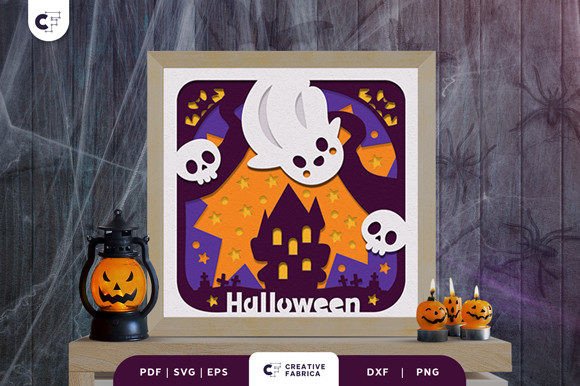
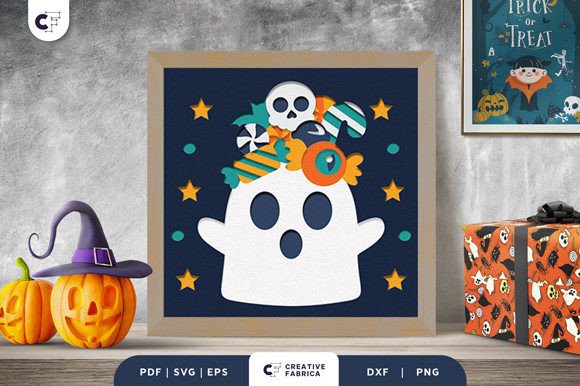
As the autumn season approaches, crafters and DIY enthusiasts often seek projects that balance visual impact with manageable complexity. The Halloween Candy Bag 3D Shadow Box has emerged as a notable option in the realm of paper crafts, offering a distinct approach to holiday decoration. Unlike flat wall art or simple cut-outs, this project utilizes layered construction to create depth, capturing the essence of "trick or treat" through an ethereal design featuring a ghost bag filled with sweets. For those evaluating whether this specific design fits their skill level, available tools, and aesthetic goals, understanding its structural requirements and comparative advantages is essential.
Understanding the Design and Structural Composition
The core appeal of the Halloween Candy Bag 3D Shadow Box lies in its multi-layered architecture. Typically consisting of eight distinct layers, this design relies on the precise stacking of cardstock to generate a three-dimensional effect. Each layer represents a different plane of the image, from the foreground elements like the ghost and candy details to the background scenery. When assembled correctly using 3D tape or foam spacers between the sheets, the result is a captivating display that changes perspective slightly depending on the viewer's angle.
This specific product is designed with dimensions of approximately 20.32×20.32 cm (roughly 8x8 inches), making it a compact yet detailed piece suitable for shelves, mantels, or as part of a larger gallery wall. The use of high-quality materials, such as 80 lb cover (216 gsm) cardstock, is critical for maintaining the structural integrity of the overhangs and fine details inherent in an 8-layer design. Thinner paper may warp or fail to hold the adhesive spacing required for the 3D effect, while heavier board might be too difficult to cut intricate shapes without specialized equipment.
Comparing Digital Formats and Cutting Methods
One of the primary decision factors for crafters is the compatibility of the design file with their existing hardware. The Halloween Candy Bag 3D Shadow Box is typically available in a variety of digital formats, including SVG, PDF, EPS, PNG, and DXF. This versatility allows users to choose the method that best aligns with their workflow:
- SVG and DXF: Ideal for users with electronic cutting machines like Cricut or Siser. These vector files allow the machine to read precise cut lines, ensuring that the intricate details of the ghost and candy elements are rendered accurately across all eight layers.
- PDF and EPS: Often preferred by those who may print the designs at a professional shop or use a standard printer before hand-cutting. While more labor-intensive, this approach removes the barrier of entry for those without expensive cutting machinery.
- PNG: Generally used for preview purposes or sublimation projects, though less common for the structural layers of a shadow box unless used as a backing image.
When comparing this layered shadow box approach to single-layer die-cuts or printed posters, the trade-off is clear: increased assembly time in exchange for significant visual depth. A standard printed image offers immediate results but lacks the tactile quality and shadow play that defines a shadow box. Conversely, a fully sculpted paper scene might offer even more dimension but often requires advanced modeling skills. The 8-layer shadow box strikes a practical middle ground, providing a professional look through a systematic stacking process that is accessible to intermediate crafters.
Material Considerations and Assembly Requirements
Success with the Halloween Candy Bag 3D Shadow Box depends heavily on material selection. The recommendation to use 80 lb cover weight cardstock is not arbitrary; this weight provides the necessary rigidity to span gaps created by the 3D tape without sagging. Lighter weights, such as standard 65 lb cardstock, might buckle under the tension of the adhesive or fail to support the cantilevered parts of the design. On the other hand, chipboard or watercolor paper could prove too thick for clean cuts on consumer-grade machines, potentially tearing delicate connections between design elements.
The assembly process requires specific adhesives to maintain the intended depth. PVA glue is generally sufficient for bonding layers where no spacing is needed, but 3D tape or foam squares are indispensable for creating the separation between the eight layers. This spacing is what generates the shadow effects that give the piece its name. Crafters should be aware that the final color appearance can vary slightly based on lighting conditions and the specific hue of the paper chosen. For instance, using a stark white cardstock will yield a crisp, high-contrast look, while cream or textured papers may soften the shadows and create a more vintage aesthetic.
Ideal Use Cases and Limitations
Determining whether this project is the right choice involves assessing your available time and intended display environment. The Halloween Candy Bag 3D Shadow Box is particularly well-suited for:
- Controlled Indoor Environments: Because the project is made of paper and relies on adhesive bonds, it is best displayed indoors away from direct moisture or high humidity, which could cause the layers to warp or separate.
- Close-Range Viewing: The intricate details of the ghost bag and sweets are best appreciated when viewed from a few feet away, making it an excellent candidate for tabletop displays, entryway consoles, or office desks.
- Gift Giving: The handmade nature of the finished product adds a personal touch that mass-produced decorations lack, making it a thoughtful gift for fellow crafting enthusiasts.
However, there are limitations to consider. If you require a decoration for outdoor use or a high-traffic area where items might be frequently bumped, a more durable material like wood or acrylic might be a superior alternative. Additionally, while the digital files streamline the cutting process, the assembly of eight precise layers requires patience and a steady hand. Those looking for a "five-minute craft" may find the layering process too time-consuming compared to simpler alternatives like window clings or pre-assembled decor.
Making an Informed Decision
Ultimately, the Halloween Candy Bag 3D Shadow Box represents a convergence of digital convenience and traditional paper artistry. It offers a structured way to create high-impact decor without needing sculpting skills, provided the crafter has access to the appropriate cutting tools or printing resources. By understanding the necessity of proper cardstock weight, the role of 3D spacing, and the commitment required for assembly, users can better evaluate if this project aligns with their creative goals.
For those ready to proceed, ensuring you have the correct file format for your machine and sourcing quality cardstock will significantly influence the final outcome. Whether used as a standalone piece or part of a curated Halloween collection, this shadow box provides a unique opportunity to infuse living spaces with the bewitching spirit of the season through detailed, handcrafted artistry. As with any craft project, the investment of time yields a custom result that reflects personal style far more effectively than store-bought equivalents.