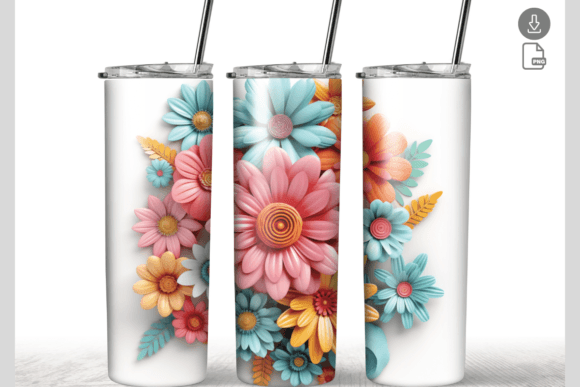
Elevating Sublimation Projects with a Flower Pastel Color 3D Design Tumbler
In the competitive landscape of custom drinkware, the visual appeal of a product often dictates its market success. For sublimation professionals and hobbyists alike, sourcing high-quality digital assets is a critical step in the production workflow. The Flower Pastel Color 3D Design Tumbler represents a specific category of digital resource tailored for the popular 20oz skinny tumbler market. This asset is not merely a graphic; it is a pre-engineered solution designed to streamline the creation of physical goods while maintaining a high standard of aesthetic quality. Understanding the nuances of this design file, from its resolution to its dimensional adaptability, is essential for anyone looking to integrate it into a commercial or personal project.
Defining the Asset and Its Core Characteristics
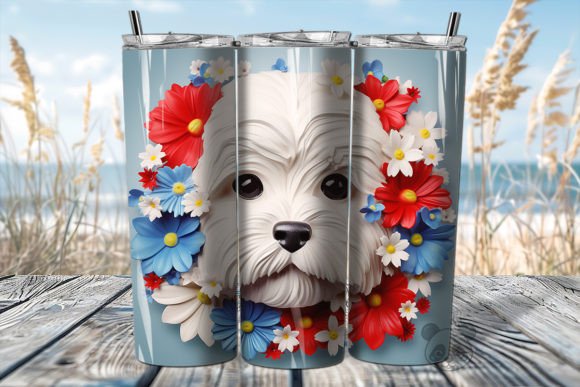
At its foundation, this digital download is a high-resolution PNG file intended for heat transfer applications. Unlike vector-based SVG files which require manual coloring and layering, this raster image comes pre-rendered with a specific artistic vision: a floral motif executed in soft pastel tones with a simulated three-dimensional depth. The "3D" aspect refers to the shading and highlighting within the artwork that gives the flowers a lifted, textured appearance once sublimated onto the curved surface of a tumbler.
The technical specifications are paramount for professional output. The file is provided at 300 DPI (dots per inch), which is the industry standard for crisp, clear printing. Anything less than this threshold often results in pixelation or blurriness, particularly on glossy surfaces like coated stainless steel where imperfections are easily visible. The design is packaged in a single ZIP file containing two distinct variations: one optimized for straight-walled tumblers and another specifically tapered to match the conical shape of skinny tumblers. This dual inclusion addresses a common pain point in sublimation, where using a straight template on a tapered cup can lead to distortion at the top or bottom of the wrap.
Technical Precision and Template Compatibility
The utility of the Flower Pastel Color 3D Design Tumbler lies heavily in its precise sizing. The template dimensions are set at 9.3 x 8.2 inches, a measurement calculated to fit the printable area of a standard 20oz skinny tumbler with full wrap coverage. For practitioners, this eliminates the guesswork involved in scaling images to prevent seam misalignment or white gaps. When a design is "pre-sized," it reduces the margin for human error during the preparation phase in software like Photoshop, Illustrator, or Silhouette Studio.
However, flexibility remains a key feature. While the file arrives ready for immediate use on 20oz vessels, the high resolution allows for resizing without significant quality loss. If a creator wishes to adapt the design for a different vessel size—such as a 16oz taper or a straight 20oz—the 300 DPI baseline provides enough data density to scale down effectively or scale up moderately while retaining sharpness. It is important to note, however, that because this is a flattened PNG file, the individual elements of the flower design cannot be edited. Users cannot change the color of the petals or remove specific leaves; the asset must be used as a complete composition. This limitation ensures the integrity of the artist's original 3D lighting effects but requires the buyer to be comfortable with the fixed aesthetic.
Practical Application in Real-World Workflows
Integrating this design into a production workflow offers tangible efficiency gains. For small business owners who manage high volumes of orders, time spent designing from scratch is time taken away from pressing, packaging, and shipping. By utilizing a pre-made, high-quality wrap, the turnaround time per unit decreases significantly. The pastel color palette is particularly strategic; these soft hues tend to be universally appealing and align well with current trends in home decor, bridal showers, and spring-themed merchandise.
When evaluating how this design performs in real-world use, the consistency of the print is a major factor. Because the file is a static image, every tumbler produced from this batch will look identical, ensuring brand consistency if selling a specific product line. The 3D effect, when sublimated correctly with appropriate time and temperature settings, creates an illusion of depth that can make the product appear more premium than a flat, two-dimensional print. This perceived value can justify a higher price point in a retail setting.
It is crucial for users to remember that this is a digital file only. No physical tumbler or printed sample is shipped. The burden of quality control shifts to the user's equipment and technique. The effectiveness of the final product depends on the quality of the sublimation paper, the accuracy of the printer's color profile, and the precision of the heat press. Mockups and preview images seen in listings are for demonstration purposes and may vary slightly from the final printed result due to monitor calibration differences.
Target Audience and Strategic Use Cases
Who benefits most from the Flower Pastel Color 3D Design Tumbler? The primary audience includes sublimation entrepreneurs, Etsy sellers, and crafters who need reliable, turnkey designs. It is also highly relevant for marketers creating branded merchandise for events where a soft, approachable aesthetic is desired. Educators teaching digital fabrication or graphic design might use such files to demonstrate the importance of DPI and template alignment without requiring students to create complex illustrations from scratch.
For freelancers offering custom printing services, having a library of diverse, high-quality wraps like this allows for rapid prototyping. A client requesting a "floral spring mug" can be shown a proof generated from this file almost immediately. The restriction against reselling or giving away the file itself protects the intellectual property of the designer, ensuring that the value remains in the finished physical good rather than the digital source. This model supports a healthy ecosystem where designers are compensated for their creative labor, and manufacturers are compensated for their production skills.
Limitations and Considerations for Buyers
While the asset offers significant advantages, prospective users must acknowledge its constraints. As mentioned, the inability to edit the PNG means that customization is limited to sizing and placement. If a client requests a specific color change to match a corporate brand identity, this file would not be suitable unless the overall pastel tone already aligns. Furthermore, users must possess the necessary hardware and software to handle sublimation; this file is not compatible with standard inkjet printing on paper for non-heat-transfer uses.
Another consideration is the specific fit for the 20oz skinny style. While resizable, the design composition is balanced for that specific aspect ratio. Drastic resizing to fit a vastly different shape, such as a square bottle or a very short mug, might crop out essential parts of the floral arrangement or distort the 3D perspective. Users should always perform a test print on regular paper and wrap it around the intended blank before committing to sublimation ink and coating.
Long-Term Value and Professional Viability
The long-term value of acquiring a resource like the Flower Pastel Color 3D Design Tumbler extends beyond a single project. High-resolution assets can be reused indefinitely for personal projects or multiple production runs, provided the licensing terms regarding resale of the file are respected. In an industry where trends shift rapidly, having a collection of versatile, evergreen designs—such as florals and pastels—provides a safety net for inventory planning. These styles rarely go out of fashion completely, ensuring that the investment in the digital file continues to yield returns over time.
Ultimately, the decision to utilize this design should be based on a match between the aesthetic requirements of the project and the technical capabilities of the producer. For those equipped with a sublimation setup and a need for efficient, visually striking products, this file serves as a robust tool. It bridges the gap between creative vision and manufacturing reality, allowing creators to focus on the tactile aspects of their craft while relying on a professionally rendered digital foundation. By understanding both the strengths and the limitations of the file, users can maximize its potential and deliver high-quality finished items to their customers.