Evaluating the Solar System 3D Shadow Box for Modern Decor and Education
In the realm of interior design and educational visualization, few concepts bridge the gap between aesthetic appeal and functional learning as effectively as layered paper art. The Solar System 3D Shadow Box represents a specific application of this technique, transforming flat astronomical data into a tangible, depth-rich experience. For professionals ranging from educators to home decor enthusiasts, understanding the utility and execution of such a project is essential before committing time and resources. This analysis explores the practical value, technical requirements, and real-world applications of creating a solar system shadow box using digital cut files.
The Intersection of Astronomy and Layered Design
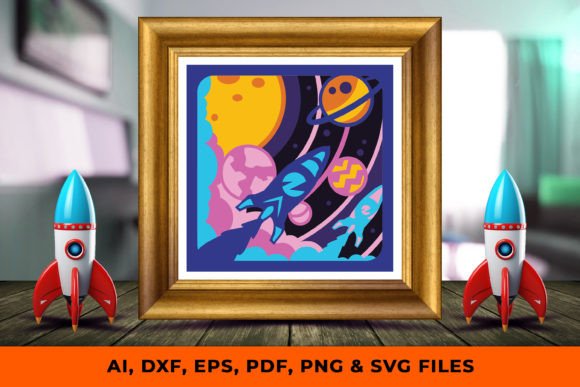
A Solar System 3D Shadow Box is not merely a poster or a static image; it is a physical assembly that utilizes varying depths to simulate the vastness of space. By stacking layers of material—typically cardstock, wood, or acrylic—creators can isolate planets, orbits, and celestial backgrounds to produce a parallax effect. When viewed from an angle, the separation between layers creates a genuine sense of three-dimensionality that flat prints cannot achieve.
The core value proposition here lies in the transition from abstract concept to concrete object. For educators, this tangibility helps students grasp the relative positioning of planets. For interior designers, it offers a sophisticated focal point that avoids the childish aesthetic often associated with space-themed decor. The effectiveness of the final piece depends heavily on the precision of the design files and the quality of the materials used during assembly.
Technical Versatility Through Multi-Format Files
One of the most significant advantages of modern digital assets for this type of project is the availability of comprehensive file formats. A robust Solar System 3D Shadow Box kit typically includes SVG, PNG, PDF, AI, EPS, and DXF files. This variety is not redundant; rather, it ensures compatibility across a wide spectrum of hardware and software workflows.
- SVG and DXF: Essential for users operating CNC machines, laser cutters, or electronic cutting plotters like Cricut and Silhouette. These vector formats ensure clean cuts without pixelation, regardless of the scale.
- AI and EPS: Preferred by graphic designers using Adobe Illustrator who need to modify anchor points, adjust curves, or integrate the design into larger branding projects.
- PDF: Offers a universal solution for standard printing, allowing users to print templates directly onto cardstock for manual cutting or tracing.
- PNG: Useful for digital mockups, web presentations, or sublimation printing where raster images are required.
This flexibility allows the creator to choose the production method that best fits their budget and equipment. A freelancer with access to a laser cutter can produce high-end wooden versions for clients, while a teacher with only a standard printer can utilize the PDFs for a classroom activity. The consistency of the design across these formats is crucial; any misalignment in vector paths can ruin the layering effect, so relying on professionally drafted files is a prudent investment.
Practical Applications Across Different Sectors
The utility of a Solar System 3D Shadow Box extends beyond simple decoration. Its application varies significantly depending on the user's goals and audience.
Educational Environments
In schools and science centers, visual aids are critical for engagement. A 3D representation of the solar system allows students to visualize orbital planes and relative distances more effectively than a textbook diagram. Educators can use the layered structure to explain concepts like eclipses or planetary alignment by physically manipulating the layers. Furthermore, involving students in the assembly process turns the project into a hands-on lesson in both astronomy and engineering.
Interior Design and Home Decor
For homeowners and interior designers, the challenge is often finding space-themed decor that feels mature and elegant. Many commercial options lean towards cartoonish styles. A meticulously crafted shadow box, especially one made from premium materials like matte black cardstock or stained wood, adds a touch of intrigue and sophistication. It serves as an excellent conversation starter in offices, libraries, or living rooms. The ability to customize colors via the provided vector files means the piece can be tailored to match specific color palettes, ensuring it integrates seamlessly into existing decor schemes.
Small Business and Product Creation
Entrepreneurs and makers looking to expand their product lines can leverage these designs for low-overhead manufacturing. Because the files are scalable, a creator can produce small 8x10 inch versions for shelf display or large 24x36 inch installations for corporate lobbies. The perceived value of 3D art is generally higher than flat prints, allowing for better profit margins. However, success in this arena requires attention to detail in finishing—clean edges, precise spacing, and high-quality framing are non-negotiable for maintaining a professional reputation.
Quality Considerations and Assembly Realities
While the digital files provide the blueprint, the final output's quality is determined by execution. When evaluating a Solar System 3D Shadow Box project, several factors influence the end result.
Material Selection: The choice of material dictates the durability and visual weight of the piece. Cardstock is cost-effective and easy to cut but may warp over time in humid environments. Wood offers longevity and a premium feel but requires more powerful cutting tools and careful sanding. Acrylic provides a modern, sleek look but can be prone to scratching and requires specific adhesives.
Depth and Spacing: The "3D" effect relies entirely on the spacing between layers. If the layers are too close together, the depth illusion is lost. If they are too far apart, the structural integrity may suffer, and the viewing angle becomes restricted. Most professional designs recommend spacer thicknesses between 3mm to 6mm, but this should be tested based on the frame depth available.
Lighting Integration: A common enhancement for these projects is the addition of LED lighting. Backlighting can create a silhouette effect, highlighting the outlines of the planets, while side lighting can accentuate the texture of the materials. However, incorporating lights requires planning for wire concealment and power sources, adding a layer of complexity to the build.
Limitations and Strategic Recommendations
Despite its versatility, the Solar System 3D Shadow Box is not a one-size-fits-all solution. Users must recognize certain limitations. First, accuracy in astronomical scale is often sacrificed for aesthetic balance. In a true-to-scale model, the distances between planets would make the box impractically large, or the planets themselves would be invisible. Creators should manage expectations regarding scientific accuracy versus artistic representation.
Second, the assembly process requires patience and precision. Unlike printing a poster, constructing a shadow box involves gluing, aligning, and framing multiple delicate pieces. For those without crafting experience, there is a learning curve involved in achieving clean joins and avoiding visible adhesive marks.
For those considering this project, the following recommendations apply:
- Test Cut First: Always perform a test cut on a small section of your chosen material to verify settings before committing to the full design.
- Frame Depth Matters: Ensure your shadow box frame has sufficient depth to accommodate all layers plus spacers. Standard photo frames will not work.
- Customize Thoughtfully: Use the editable vector files to adjust colors or remove elements that don't fit your specific theme, but maintain the overall balance of the composition.
- Consider the Environment: If placing the artwork in a sun-drenched area, choose UV-resistant materials to prevent fading over time.
Final Assessment of Value
The Solar System 3D Shadow Box stands out as a versatile asset for anyone looking to merge creativity with functionality. Its strength lies in the adaptability of the source files, which empowers users to dictate the scale, material, and final presentation. Whether used as an engaging educational tool, a unique home decor statement, or a viable product for a small business, the potential for high-quality output is significant.
However, the value is realized only through careful execution. The difference between a mediocre craft project and a stunning piece of art often comes down to material choices, lighting, and attention to detail during assembly. For professionals and hobbyists alike, this project offers a rewarding challenge that yields a visually striking result, provided the creator approaches it with a clear plan and realistic expectations. By leveraging the comprehensive file formats available, users can streamline their workflow and focus on the creative aspects of bringing the solar system to life in three dimensions.