Unlocking Creative Potential with Layered Cute Cat Ball 3D Design Assets
In the rapidly evolving landscape of digital fabrication and graphic design, the demand for versatile, high-quality assets has never been greater. Among the myriad of trending motifs, feline imagery remains a perennial favorite, bridging the gap between whimsical hobbyist projects and professional commercial applications. Specifically, the Layered Cute Cat Ball 3D concept has emerged as a standout design pattern. This approach transforms a simple two-dimensional illustration into a tangible, multi-dimensional object through the strategic stacking of materials. When creators access a comprehensive package containing formats like SVG, DXF, EPS, PDF, JPG, and PNG within a single zip folder, they gain the flexibility to execute projects across various platforms, from laser cutters to vinyl plotters and digital printers.
The Mechanics of Dimensional Paper Crafting
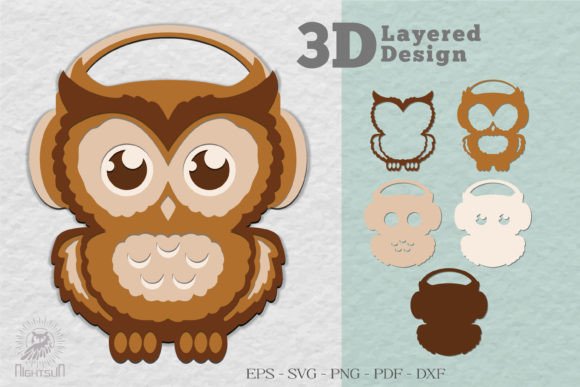
The core appeal of the Layered Cute Cat ball 3D design lies in its ability to create depth without requiring complex modeling software or expensive 3D printers. By utilizing a series of offset layers, designers can simulate shadows, highlights, and contours that give the subject a lifelike presence. This technique, often referred to as layered paper crafting or 3D papercutting, relies heavily on the precision of the vector files provided in the design pack. The inclusion of DXF and SVG files is critical here, as these formats maintain the mathematical integrity of the curves and lines necessary for machinery to cut accurately.
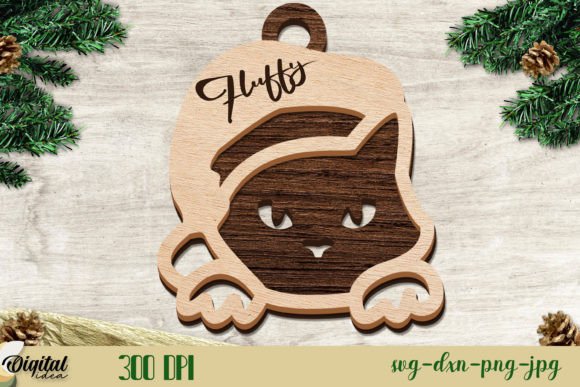
When working with a Layered Cute Cat Ball 3D template, the process typically involves cutting multiple copies of the same shape, each slightly smaller or modified to represent a different plane of the image. For instance, the base layer might be the full silhouette of the cat curled into a ball, while subsequent layers isolate specific features like the ears, tail, or facial markings. By adhering these layers with foam tape or adhesive spacers, the creator builds physical height. The result is an artwork that changes appearance depending on the viewing angle, catching light and casting real shadows, a quality that flat prints simply cannot achieve.
Diverse File Formats for Universal Compatibility
A significant advantage of purchasing or downloading a complete design bundle is the sheer variety of file types included. A robust Layered Cute Cat ball 3D Design package does not limit the user to a single workflow. Instead, it anticipates the diverse needs of the maker community. The EPS and PDF files serve as the backbone for professional print shops and vector editing software like Adobe Illustrator or CorelDRAW. These formats are essential for scaling the design to any size without losing resolution, a necessity when creating everything from small jewelry charms to large wall art installations.
Conversely, the JPG and PNG files cater to digital creators and those using raster-based workflows. The PNG format, particularly when provided with a transparent background, is invaluable for sublimation printing, web design, or incorporating the cat motif into larger composite images. Having all these formats consolidated into a single zip folder streamlines the organizational aspect of project management. Users do not need to hunt for compatible files or convert formats manually, which can often introduce errors or degrade quality. This all-in-one approach ensures that whether you are a Cricut enthusiast, a laser cutter operator, or a graphic designer, the asset is ready for immediate deployment.
Applications Across Industries and Hobbies
The versatility of the Layered Cute Cat Ball 3D extends far beyond simple home decor. Small business owners specializing in handmade goods can leverage these designs to create unique product lines. Consider the market for greeting cards; a card featuring a 3D layered cat popping off the page offers a tactile experience that increases perceived value and customer satisfaction. Similarly, educators can use these templates to teach students about geometry, spatial reasoning, and the principles of light and shadow. By assembling the layers, learners gain a practical understanding of how 2D planes combine to form 3D structures.
In the realm of event planning and party decorations, these assets provide a cohesive theme for birthdays, baby showers, or cat-themed gatherings. Large-scale cutouts can serve as photo backdrops, while smaller versions function as cake toppers or favor tags. The scalability inherent in vector files means a single Layered Cute Cat ball 3D design can be adapted for a massive banner or a delicate earring pair. Furthermore, sign makers and retail display designers utilize these layered effects to draw attention to point-of-sale materials. The depth created by the layering technique naturally draws the human eye, making it an effective tool for visual merchandising.
Material Selection and Structural Integrity
While the digital file provides the roadmap, the physical realization of a Layered Cute Cat Ball 3D project depends heavily on material choice. Cardstock is the most common medium due to its rigidity and ease of cutting, but the design can also be executed in wood veneer, acrylic, or even felt. Each material interacts with the layered concept differently. Wood adds a rustic, warm aesthetic and requires precise laser settings to avoid burn marks on the intricate inner cuts. Acrylic offers a modern, glossy finish where the layers can create interesting refraction effects.
When selecting materials, one must consider the weight and the adhesive method. Heavier materials may require stronger bonding agents than standard glue sticks. Additionally, the thickness of the material dictates the spacing between layers. If the cardstock is too thick, the subtle gradients intended by the Layered Cute Cat ball 3D Design may become blocky rather than smooth. Conversely, paper that is too thin may warp under the tension of multiple adhesive points. Experimentation is key, and having the design in multiple formats allows creators to test prototypes quickly before committing to final production materials.
Optimizing Workflow for Efficiency
For professionals managing high-volume orders, efficiency is paramount. The structure of a well-organized zip folder containing separated layers can significantly reduce preparation time. Instead of manually separating colors or shapes in software, the designer can import the DXF or SVG directly into their machine's interface. Many cutting machines recognize these vector paths instantly, allowing for batch processing. This capability is crucial for businesses that need to produce dozens of identical Layered Cute Cat Ball 3D units for a seasonal launch.
Moreover, the availability of the design in both vector and raster formats facilitates cross-platform marketing. A business owner can use the PNG to create social media teasers showing a render of the final product, while simultaneously sending the PDF to a manufacturing partner for mass production. This seamless transition between digital marketing and physical fulfillment reduces friction in the supply chain. It also allows for rapid iteration; if a color scheme needs adjustment based on customer feedback, the vector files can be updated instantly without needing to redraw the artwork from scratch.
Customization and Personalization Opportunities
One of the strongest selling points of using a modular design like the Layered Cute Cat ball 3D is the ease of customization. Because the elements are separated into distinct layers, users can swap out colors to match specific brand palettes or holiday themes. A Halloween version might utilize oranges and blacks, while a spring collection could feature pastels. The underlying geometry of the cat remains constant, ensuring brand consistency, while the surface aesthetics remain dynamic.
Personalization takes this a step further. Crafters can add names, dates, or custom messages to specific layers without disrupting the overall composition. For example, a name could be cut into the base layer, visible through the negative space of the upper layers, creating a sophisticated monogram effect. This level of adaptability makes the Layered Cute Cat Ball 3D an excellent choice for bespoke gifts, where the recipient expects a unique touch. The technical precision of the provided EPS and SVG files ensures that added text aligns perfectly with the existing curves and contours of the cat illustration.
The Role of High-Resolution Raster Images
While vector files are the workhorses of fabrication, the included JPG and PNG files play a supportive yet vital role. These high-resolution raster images are essential for previewing the final look before cutting. They allow clients to approve designs visually without needing specialized software to open vector files. In a client-service context, sending a realistic mockup generated from the PNG can accelerate the approval process. Additionally, these files are indispensable for sublimation printing, where the design is transferred onto mugs, t-shirts, or tumblers. The layered effect can be simulated in print through shading techniques embedded in the raster image, offering a 3D illusion on curved surfaces where physical layering is impossible.
Furthermore, digital marketers rely on these formats for content creation. Social media algorithms favor high-quality visuals, and a crisp JPG of the finished Layered Cute Cat Ball 3D product can drive engagement and sales. The transparency of the PNG allows these images to be overlaid on various backgrounds for advertisements, website banners, or email newsletters, ensuring the branding remains consistent across all digital touchpoints.
Future Trends in Layered Design
As technology advances, the application of layered designs continues to expand. We are seeing a convergence of traditional papercrafting with augmented reality (AR). Imagine scanning a physical Layered Cute Cat ball 3D installation with a smartphone to reveal an animated version of the cat. The foundational geometry provided by the DXF and SVG files serves as the perfect anchor for such digital overlays. The precision of the cut layers provides the necessary markers for AR software to track and render digital content accurately over the physical object.
Sustainability is another driving force. The layered approach often utilizes scrap materials effectively, as smaller inner layers can be cut from remnants left over from larger projects. This minimizes waste, aligning with the growing consumer demand for eco-friendly products. The Layered Cute Cat ball 3D Design fits well into this narrative, offering a way to create high-impact visuals with minimal material usage. As creators become more environmentally conscious, the efficiency of these nested layer designs will likely increase their popularity in both hobbyist and commercial sectors.
Ultimately, the value of a comprehensive design package lies in its ability to empower the user. By providing a Layered Cute Cat Ball 3D asset in every conceivable format, the barrier to entry is lowered for beginners while maintaining the depth required by professionals. Whether the goal is to create a heartfelt gift, launch a new product line, or teach a class on design principles, these tools provide the foundation for creativity. The intersection of cute aesthetics and technical precision creates a unique niche that continues to thrive in the maker economy, proving that even simple concepts like a cat curled in a ball can offer endless possibilities when approached with the right resources and perspective.