Unlocking Creative Potential with a 3D Design Fluid Background Vector
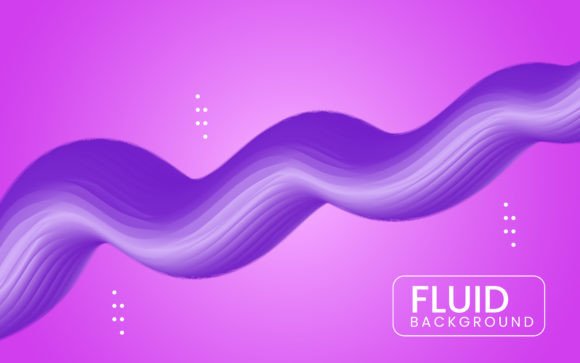
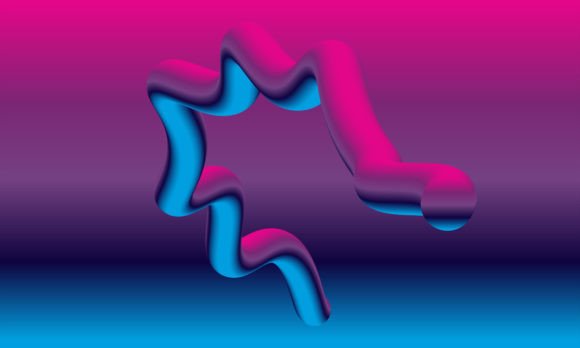
In the fast-paced world of digital design, standing out often comes down to the details. A flat, static background can make even the most compelling content feel dull, whereas a dynamic, textured backdrop can instantly elevate the perceived value of a project. This is where a 3D Design Fluid Background Vector becomes an indispensable asset. Unlike standard raster images that pixelate when stretched, these vector-based fluid designs offer infinite scalability and crisp edges, making them perfect for everything from massive trade show banners to tiny mobile app icons. The beauty of this specific style lies in its organic yet modern aesthetic, mimicking the flow of liquid or molten material while maintaining the clean lines associated with high-end 3D rendering.
Why Vectors Matter in a Raster-Dominated World
Many designers and business owners default to JPGs or PNGs because they are familiar, but they often overlook the limitations until it is too late. When you choose a 3D Fluid Background Design created in Adobe Illustrator, you are investing in flexibility. Imagine launching a new product and needing that same background for a website header, a printed brochure, and a social media story. With a raster image, you would need three different files at three different resolutions. With an EPS file from a vector source, you have one file that works everywhere.
The ability to edit colors is another game-changer. Brand guidelines are strict; if your company color is a specific shade of teal, a pre-rendered JPG with a slightly off-blue gradient won't cut it. However, because this design is built with vectors in RGB color space, you can open the file in Illustrator and shift the entire color palette to match your brand identity in seconds. This level of customization saves hours of recreation time and ensures consistency across all your marketing materials.
Real-World Applications Across Industries
The versatility of fluid backgrounds means they aren't limited to one specific niche. Different industries leverage these assets in unique ways to solve visual problems and engage audiences.
- Tech Startups and SaaS Companies: For software landing pages, a 3D fluid background adds a layer of sophistication without distracting from the user interface. It suggests innovation and forward-thinking. You can place white text over the darker, richer parts of the fluid gradient to ensure readability while keeping the page visually interesting.
- Cosmetics and Wellness Brands: The organic, flowing nature of fluid design mirrors the ingredients in lotions, serums, and essential oils. Using a soft, pastel version of a 3D fluid background on packaging or Instagram ads can evoke feelings of purity, hydration, and smoothness.
- Event Planners and Nightlife: High-energy events benefit from the dynamic look of these backgrounds. By tweaking the RGB values to neon greens, electric blues, or deep purples, promoters can create flyers and digital tickets that scream "party" before a single word is read.
- Corporate Presentations: Even traditional sectors like finance or consulting are moving away from sterile white slides. A subtle, muted fluid background can add depth to a pitch deck, making the data visualization pop and keeping the audience engaged during long meetings.
The Workflow Advantage: From Download to Deployment
One of the most frustrating aspects of buying digital assets is compatibility. You purchase a file, only to find it requires a plugin you don't have or opens in a program you've never used. A major strength of utilizing a 3D Design Fluid Background Vector made specifically for Adobe Illustrator is the seamless workflow. Since the deliverable includes standard EPS files, it integrates smoothly into the creative cloud ecosystem.
Consider the scenario of a freelance graphic designer working on a tight deadline. They receive a request for a YouTube thumbnail that needs to look professional but also urgent. Instead of spending two hours modeling a 3D shape in Cinema 4D or Blender, rendering it, and then post-processing it, they can open the pre-made vector file. Within minutes, they can adjust the curves to fit the composition, change the lighting effects by altering gradient stops, and export a high-quality JPG preview for client approval. The fact that the design is "elementary to use and customize" is not just a marketing claim; it is a practical reality that respects the user's time.
Navigating Color and Composition
While the ease of use is a significant benefit, there are considerations to keep in mind to get the best results. Because these designs rely heavily on gradients and overlapping shapes to create the illusion of depth, how you manipulate them matters. When editing the RGB colors, be mindful of contrast. If you shift a dark fluid wave to a very light yellow, you might lose the definition of the "3D" effect, making the image look flat.
It is also worth noting the difference between screen and print. While the vector file itself is resolution-independent, the final output depends on your export settings. For web use, exporting a JPG at 72 DPI is standard and keeps file sizes manageable for fast loading speeds. For print, you will want to ensure you are exporting at 300 DPI or higher. The inclusion of a high-quality design in the package ensures that even the preview files are sharp enough to use for mockups or low-res proofs, streamlining the communication process with clients.
Maximizing Value Through Adaptability
The true value of this asset extends beyond a single project. Because the file structure is clean and organized within Illustrator, it serves as a learning tool as well. Junior designers can deconstruct the file to see how complex 3D illusions are achieved using simple vector tools like the Mesh Tool or Gradient Mesh. This educational aspect adds long-term value, helping teams improve their own skills while delivering immediate results for current projects.
Furthermore, the shareability of these designs cannot be overstated. In an era where content is king, having a library of adaptable backgrounds allows marketing teams to churn out high-quality visuals for social media campaigns rapidly. Whether it is a LinkedIn carousel, an Instagram story, or a Facebook ad, the consistent aesthetic provided by a unified fluid background helps build brand recognition. Users who rate and share these items often do so because they recognize the multiplier effect: one purchase solves dozens of future design headaches.
Ultimately, integrating a 3D Fluid Background Design into your toolkit is about working smarter, not harder. It bridges the gap between the artistic flair of custom 3D modeling and the practical necessity of quick turnaround times. Whether you are a seasoned art director looking for a base to build upon or a small business owner DIY-ing your branding, the combination of editable vectors, high-resolution previews, and versatile color options provides a robust foundation for creativity. The goal is always to let the design support the message, and with a fluid background that adapts to your needs rather than forcing you to adapt to it, your content is free to shine.