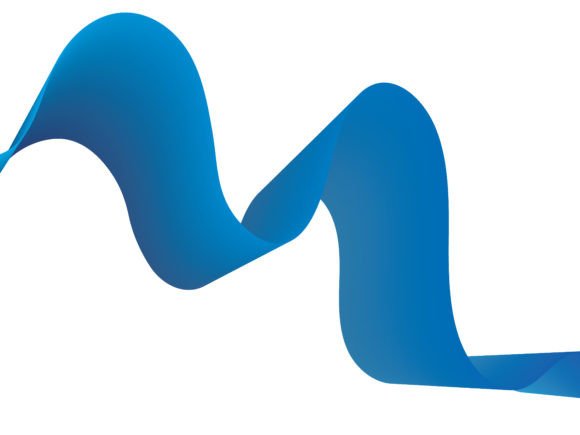
Elevate Your Brand with Abstract 3D Shape Backgrounds
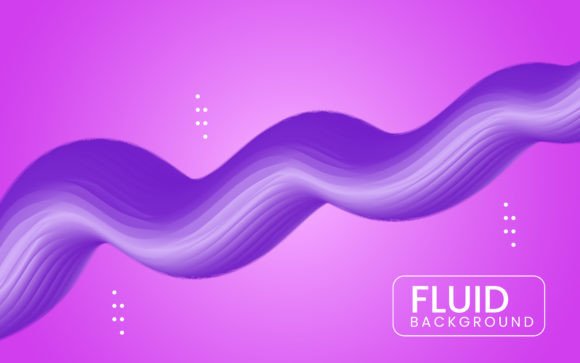
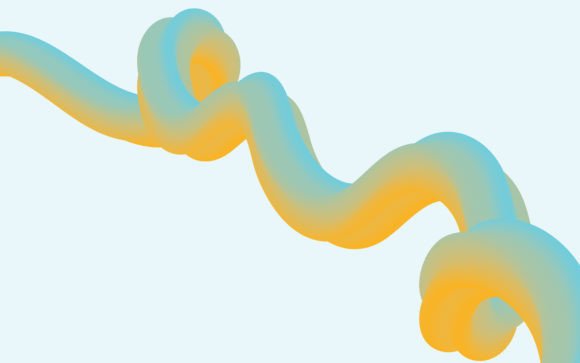
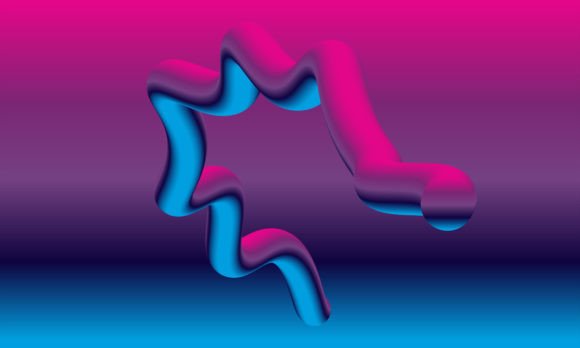
In the fast-paced world of digital marketing and creative design, first impressions are often made within milliseconds. Whether you are launching a new product, updating your website's hero section, or crafting a social media campaign, the visual foundation you choose sets the tone for everything that follows. This is where an Abstract 3d Design Shape Background becomes an invaluable asset. Unlike flat, two-dimensional patterns that can sometimes feel dated or static, three-dimensional abstract forms add depth, movement, and a modern sophistication that immediately captures attention.
These backgrounds are not just about aesthetics; they are functional tools designed to enhance communication. By utilizing fluid shapes, gradients, and lighting effects that mimic real-world physics, you create a visual environment that feels alive. For professionals ranging from entrepreneurs to educators, understanding how to leverage these assets can significantly boost engagement rates and brand perception.
Why Depth Matters in Modern Design
The shift toward 3D elements in user interface and graphic design is no longer a fleeting trend; it is a response to the human desire for immersion. When a viewer sees an Abstract 3d Design Shape Background, their brain processes the depth cues—shadows, highlights, and perspective—which creates a more engaging experience than a flat color block ever could.
One of the primary strengths of these designs is their versatility. Because they are abstract, they do not dictate a specific narrative or context. A swirling, colorful 3D shape can represent innovation for a tech startup, creativity for an art gallery, or dynamic growth for a financial firm. This neutrality allows you to overlay your specific messaging without visual conflict. The background supports your content rather than competing with it.
Furthermore, the psychological impact of high-quality 3D rendering suggests professionalism and investment. It signals to your audience that you care about quality details. In a crowded marketplace, this subtle cue can be the difference between a user scrolling past your ad or stopping to read your headline.
Key Characteristics of High-Quality Assets
Not all design assets are created equal. When selecting a background package, specifically one labeled as an Abstract 3d Design Shape Background, there are technical specifications you should look for to ensure maximum utility and longevity.
- Vector Scalability (EPS): The inclusion of 100 vector EPS files is a game-changer. Unlike raster images that pixelate when enlarged, vector formats allow you to scale the design from a business card to a billboard without losing any crispness. This ensures your brand looks sharp on every device and medium.
- Full Editability: A truly useful asset gives you control. You should be able to easily edit the text, slogans, and colors to match your brand guidelines. If a package offers fully editable layers, you aren't stuck with a preset look; you can adapt the mood from vibrant and energetic to calm and corporate simply by shifting the color palette.
- Format Variety: Having access to PNG files with transparent backgrounds allows for seamless integration into existing layouts. You can place the 3D shapes over photos, videos, or colored sections without awkward white boxes. Additionally, JPG variants with different background colors provide ready-to-use options for quick deployment.
- Typography Freedom: Using free fonts ensures that you can replicate the preview designs without incurring extra licensing costs or hunting down obscure typefaces. A good help file that includes download links for these fonts saves hours of frustration.
Practical Applications Across Industries
The utility of an Abstract 3d Design Shape Background extends far beyond simple decoration. Here is how different professionals can integrate these assets into their workflows:
For Marketers and Entrepreneurs
In digital advertising, stop-scrolling power is currency. Use these backgrounds for Facebook ads, LinkedIn banners, and Instagram stories. The depth of the 3D shapes makes the text pop, increasing click-through rates. For landing pages, a subtle 3D background can guide the user's eye toward the call-to-action button, improving conversion rates.
For Content Creators and Bloggers
Visual consistency is key to building a loyal audience. By adopting a specific style of 3D background, you create a recognizable visual identity for your blog headers, YouTube thumbnails, and podcast cover art. The ability to swap colors means you can have a "summer" theme or a "holiday" theme while maintaining the same structural branding.
For Educators and Presenters
Boring slides kill engagement. Teachers and corporate trainers can use these backgrounds to make presentations visually stimulating. The abstract nature ensures that the background doesn't distract from the data or bullet points but adds a layer of polish that keeps the audience attentive.
For Web Developers and UI Designers
When building modern websites, particularly for SaaS companies or creative agencies, these backgrounds serve as excellent hero section elements. Because they come in transparent PNGs, developers can layer them over code-generated gradients or video backgrounds to create complex, multi-layered visual effects that load quickly.
Maximizing Efficiency and Usability
Time is a resource that most creatives and business owners lack. The value of a comprehensive pack lies in its ability to streamline the design process. Instead of spending hours modeling 3D shapes in software like Blender or Cinema 4D—a skill that requires a steep learning curve—you can start with a professional base.
The efficiency gain is substantial. With pre-rendered JPG variants, you can test different color schemes in minutes to see what resonates best with your audience. If you need a custom look, the editable EPS files allow you to tweak the geometry or lighting without starting from scratch. This flexibility supports rapid prototyping and iteration, which is crucial in agile marketing environments.
Moreover, the inclusion of a detailed help file bridges the gap between novice and expert usage. Knowing exactly where to find font links and how to manipulate the layers reduces the friction of adoption. It empowers non-designers to produce high-quality visuals that previously would have required outsourcing to a graphic design agency.
Important Considerations for Implementation
While these assets are powerful, there are a few practical considerations to keep in mind to ensure the best results. First, always check the licensing terms regarding commercial use, especially if you are using the designs for client work or products you intend to sell.
Second, remember that the mock-ups shown in image previews are often for presentation purposes only and are not included in the download. You will need to apply your own designs to these mock-up templates separately if you wish to showcase your work in a realistic setting. This is a standard industry practice but can be a point of confusion for first-time buyers.
Finally, consider the context of your medium. While 3D shapes look stunning on high-resolution screens, ensure that the level of detail translates well to smaller mobile devices. Sometimes, simplifying the color contrast or adjusting the scale of the shapes is necessary to maintain readability on smartphones.
In conclusion, integrating an Abstract 3d Design Shape Background into your creative toolkit is a strategic move. It combines the aesthetic appeal of modern 3D art with the practical necessity of editable, scalable formats. Whether you are refining your brand identity, launching a campaign, or simply looking to elevate the quality of your daily content, these versatile assets provide the depth and professionalism needed to stand out in today's visual landscape.