Transforming Spaces with the Floral Window 3D Shadow Box Paper Cut
The intersection of digital precision and tactile artistry has opened new avenues for home decoration and creative expression. Among the most captivating trends in this realm is the Floral Window 3D Shadow Box Paper Cut. This specific design genre merges the nostalgia of rustic architecture with the vibrancy of botanical life, creating a layered visual experience that static prints simply cannot achieve. For botanical lovers, interior designers, and crafting enthusiasts alike, understanding the mechanics and aesthetic potential of these multi-layered compositions offers a gateway to transforming ordinary living spaces into immersive environments.
At its core, the Floral Window 3D Shadow Box Paper Cut is a study in depth and perspective. Unlike traditional two-dimensional wall art, this format utilizes multiple layers of cardstock, meticulously cut and stacked to create a tangible sense of distance. The result is a scene that invites the viewer to look deeper, exploring the nuances of shadows cast by each successive layer. Whether displayed on a mantel, hung as a focal point in a hallway, or gifted as a bespoke present, these pieces serve as a testament to the enduring appeal of paper engineering in the modern age.
The Architecture of Depth: Understanding the Layering Technique
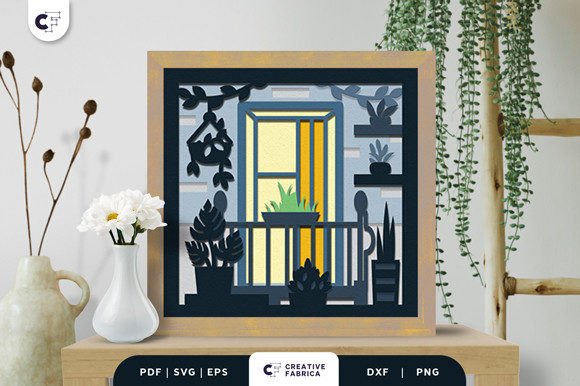
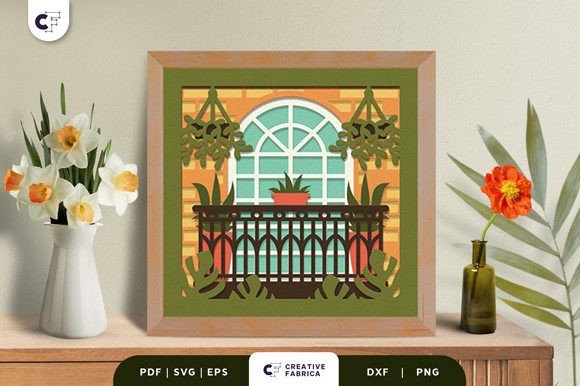
The magic of the Floral Window 3D Shadow Box Paper Cut lies in its construction. A standard design, such as the popular rustic window motif featuring a balcony adorned with potted plants, typically comprises around eight distinct layers. This high layer count is not merely decorative; it is structural. Each layer represents a different plane of existence within the scene, from the foreground foliage that frames the view to the distant background that suggests the sky or an interior room.
When crafting these pieces, the separation between layers is critical. Artisans use adhesives like craft glue or specialized 3D tape to maintain consistent spacing. This spacing allows light to interact with the paper, casting soft shadows that enhance the three-dimensional illusion. The interplay of light and shadow is what gives the botanical lover their desired effect—a lush, living garden that appears to breathe within the confines of the frame. Without this deliberate separation, the intricate details of blooming flowers and lush greenery would flatten, losing the dynamic quality that defines the medium.
The complexity of an eight-layer design requires precise alignment. In a professional or hobbyist setting, this is where digital cutting machines become indispensable. These devices interpret vector files to cut intricate patterns with a level of accuracy that is difficult to achieve by hand, especially when dealing with delicate flower petals or fine window panes. The precision ensures that when the layers are stacked, the image remains coherent and the perspective lines converge correctly, maintaining the integrity of the rustic window aesthetic.
Digital Workflows and File Compatibility
For creators looking to produce a Floral Window 3D Shadow Box Paper Cut, the process begins long before the first sheet of paper is loaded into a cutter. It starts with the digital file. Modern designs are distributed in a variety of formats to ensure compatibility with the vast ecosystem of cutting machines and design software available today. Common formats include SVG, PDF, EPS, PNG, and DXF.
- SVG (Scalable Vector Graphics): Ideal for users of Cricut, Silhouette, and other browser-based or proprietary software. SVGs retain quality at any size and often contain separate groups for each layer, streamlining the cutting process.
- PDF and EPS: Preferred by professional graphic designers using Adobe Illustrator or CorelDRAW. These formats offer robust control over line weights and color separations, essential for managing the eight distinct layers of a complex shadow box.
- DXF: A universal vector format often used in industrial cutting or by users of older software versions, ensuring that the design remains accessible regardless of the technological setup.
- PNG: While primarily a raster format, high-resolution PNGs are useful for previewing the final assembly or for users who may be adapting the design for sublimation or printing rather than cutting.
Having access to this diverse range of file types democratizes the creation process. It allows a small business owner to scale production, an educator to teach vector basics, or a hobbyist to experiment with different machine settings. The flexibility of these digital assets means that the Floral Window 3D Shadow Box Paper Cut can be resized or modified to fit specific frames or spatial requirements, although the standard size of 20.32×20.32 cm (approximately 8x8 inches) provides a balanced proportion for most domestic displays.
Material Selection and Tactile Quality
The visual impact of a 3D paper cut is heavily dependent on the material used. While the design provides the blueprint, the paper provides the soul of the piece. For a project as detailed as the Floral Window 3D Shadow Box Paper Cut, the weight and texture of the cardstock are paramount. Standard printer paper is too flimsy to hold its shape when suspended in layers, leading to sagging and a loss of the 3D effect.
Professionals and serious crafters often recommend using heavy cover stock, specifically around 80 lb cover (216 gsm). This weight offers the perfect balance between rigidity and workability. It is thick enough to stand up to the tension of being suspended or taped without warping, yet thin enough to be cut cleanly by digital machines without burning or tearing. Brands like Encore Cardstock are frequently cited in the community for their consistency and vibrant color ranges, which are crucial when trying to replicate the natural hues of blooming flowers and verdant leaves.
Color selection also plays a pivotal role. Because the design relies on shadows, the choice of paper color can dramatically alter the mood. A monochromatic scheme using varying shades of white or cream can create a sophisticated, ethereal look where the shadows do all the talking. Conversely, a polychromatic approach using greens, pinks, and browns can bring the botanical paradise to life with realistic vibrancy. However, creators must remember that lighting conditions in the final display location will affect perception. The actual final product color may vary slightly due to lighting sources and the inherent tone of the paper, a consideration that adds a unique, organic variable to each finished piece.
Versatile Applications Across Industries and Hobbies
The utility of the Floral Window 3D Shadow Box Paper Cut extends far beyond simple home decor. Its adaptable nature makes it a valuable asset across various sectors and personal pursuits.
In the realm of interior design, these pieces act as textural accents that break up flat wall surfaces. They are particularly effective in spaces lacking natural light, as the layered construction mimics the depth of a real window, psychologically expanding the room. For event planners, scaled-up versions of these designs serve as stunning backdrops for weddings or garden parties, offering a reusable and transportable alternative to fresh floral arrangements.
For educators and researchers in the fields of art and geometry, the shadow box serves as a practical teaching tool. It demonstrates principles of parallax, perspective, and light physics in a tangible way. Students can deconstruct the eight layers to understand how two-dimensional shapes combine to create a three-dimensional whole, fostering spatial reasoning skills.
Small business owners in the handmade market find immense value in these designs. The ability to purchase a digital file and produce physical goods on demand reduces inventory risk. A creator can offer custom colorways or personalized elements—such as adding a name to the window sill—making each Birthday Shadow Box or housewarming gift unique. The relatively low cost of materials (cardstock and adhesive) compared to the perceived value of the intricate labor allows for healthy profit margins while delivering high-quality art to consumers.
Practical Considerations for Assembly and Display
While the digital files provide the roadmap, the assembly of a Floral Window 3D Shadow Box Paper Cut requires patience and attention to detail. The process is meditative but demands precision. When adhering the layers, it is advisable to work from the background forward. Using spacer tabs or rolled strips of 3D tape ensures uniform depth. If the spacing is inconsistent, the visual rhythm of the balcony and potted plants can appear disjointed.
Framing is another critical consideration. To preserve the 3D integrity, deep-set frames or shadow box frames are necessary. A standard flat frame would crush the layers, destroying the effect. The internal dimensions of the frame must accommodate the total thickness of eight layers plus the adhesive spacers. Additionally, the glass or acrylic front should be cleaned thoroughly before sealing, as dust trapped between the layers is difficult to remove once assembled.
Lighting placement can further enhance the artwork. Positioning a small LED strip at the top or bottom of the frame can accentuate the shadows, making the flowers pop and the window frame appear more substantial. This dynamic interaction with light ensures that the piece changes throughout the day as ambient lighting shifts, keeping the botanical lover engaged with the evolving visual narrative.
The Enduring Appeal of Handcrafted Digital Art
In an era dominated by mass-produced decor, the Floral Window 3D Shadow Box Paper Cut stands out as a bridge between technology and tradition. It leverages the efficiency of digital cutting to achieve complexities that were once the domain of master papercutters working solely with blades and mats. Yet, the final assembly remains a hands-on, human endeavor. This hybrid workflow appeals to a broad audience because it honors the maker's touch while embracing modern tools.
Whether used to celebrate a birthday, decorate a rustic-themed home, or simply enjoy the quiet beauty of a paper garden, these shadow boxes offer a unique form of artistic engagement. They remind us that even in a digital world, there is profound satisfaction in holding a physical object that tells a story through layers, light, and shadow. By transforming a flat sheet of 216 gsm cardstock into a window onto a botanical paradise, creators and viewers alike participate in a shared appreciation for the delicate art of paper engineering.