Elevating Educational Spaces with the Technology School Subject 3D Shadow Box
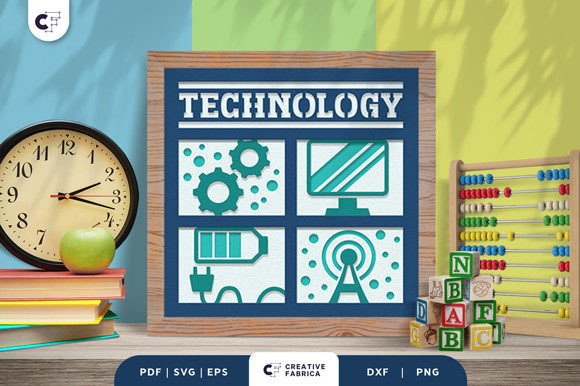
The modern learning environment has undergone a significant transformation, shifting away from sterile, utilitarian classrooms toward spaces that inspire curiosity and reflect the dynamic nature of innovation. In this evolving landscape, the Technology School Subject 3D Shadow Box emerges as more than just a decorative item; it is a statement piece that bridges the gap between abstract technical concepts and tangible artistic expression. For educators, parents, and design enthusiasts alike, integrating such elements into a study room or classroom creates an awe-inspiring hub of technological inspiration. This approach to decor acknowledges that the environment in which we learn and work plays a pivotal role in fostering creativity and engagement.
As we navigate an era where STEM (Science, Technology, Engineering, and Mathematics) education is paramount, the visual cues surrounding students and professionals matter immensely. The Technology School Subject 3D Paper Cut serves as a captivating focal point, transforming a blank wall into a narrative about progress and ingenuity. Unlike flat posters or generic prints, the three-dimensional aspect of this artwork adds depth and texture, inviting viewers to look closer and appreciate the intricacies of design. It is a subtle yet powerful reminder that technology is not just about code and circuits, but also about structure, layering, and precision.
The Evolution of Educational Decor and Spatial Design
Historically, school subjects were represented by static charts or textbook illustrations. Today, however, there is a growing demand for interactive and immersive environments. This shift mirrors broader trends in interior design where personalization and thematic consistency are highly valued. The rise of the Technology School Subject 3D Shadow Box fits perfectly into this narrative. It represents a move towards "makerspace" aesthetics even in traditional study areas, signaling that the room is a place for building, creating, and solving problems.
This evolution is driven by a deeper understanding of how physical spaces influence cognitive function. Cluttered or uninspiring walls can lead to mental fatigue, whereas thoughtfully curated art can stimulate focus and imagination. By choosing a piece that specifically highlights technology as a school subject, you are reinforcing the importance of these disciplines in daily life. It validates the interests of tech-savvy individuals and encourages those who are just beginning their journey into the field. The layered design of the paper cut mimics the complexity of technological systems, offering a visual metaphor for the layers of knowledge one must acquire to master a subject.
Crafting Precision: The Role of Digital Cutting Machines
The creation of a high-quality Technology School Subject 3D Paper Cut relies heavily on modern fabrication tools. To achieve the clean lines and precise stacking required for this effect, creators utilize machines like the Cricut or similar digital cutting devices. This reliance on technology to create art about technology creates a satisfying meta-narrative. It demonstrates the practical application of the very tools that students and professionals use in their workflows.
For hobbyists and small business owners, this process highlights the accessibility of advanced manufacturing. What once required industrial equipment can now be achieved on a desktop, allowing for customized, small-batch production of educational decor. When crafting this specific shadow box, the precision of the cut ensures that each layer aligns perfectly, creating the illusion of depth without overwhelming the viewer. The use of vector-based designs ensures scalability and sharpness, essential qualities for professional-looking results.
Those interested in replicating or purchasing these designs will often encounter files in various formats, including SVG, PDF, EPS, PNG, and DXF. This versatility is crucial in today's multi-platform workflow. Whether you are using design software on a tablet, a desktop computer, or directly interfacing with a cutting machine, having access to multiple file types ensures compatibility and ease of use. The standard configuration for this particular project involves four distinct layers, carefully calculated to provide optimal depth while maintaining structural integrity within a 20.32×20.32 cm frame.
Practical Implications for Creators and Educators
Integrating the Technology School Subject 3D Shadow Box into a space offers several practical benefits beyond aesthetics. For educators, it serves as a conversation starter. It can be used to introduce lessons on geometry, layering, design thinking, or the history of technology. For entrepreneurs and freelancers working from home, it defines the workspace, mentally separating "work" mode from "home" mode by establishing a dedicated zone of inspiration.
The trend towards personalized gifting also finds a strong ally in this product. A tech-savvy gift that doubles as decor is often hard to find. Many technology-themed items are either functional gadgets that quickly become obsolete or novelty items that lack sophistication. This shadow box strikes a balance; it is timeless in its artistic merit yet specific in its thematic focus. It appeals to a wide demographic, from young students passionate about robotics to seasoned engineers who appreciate the elegance of a well-executed design.
Furthermore, the materials used play a critical role in the final outcome. To ensure durability and a premium finish, it is recommended to use high-quality cardstock. Specifically, Encore Cardstock 80 lb cover (216 gsm) is ideal for this application. This weight provides enough stiffness to hold the 3D shape without sagging over time, while still being pliable enough for intricate cutting. The texture and finish of the paper contribute to how light interacts with the layers, enhancing the shadow effects that give the piece its name.
Aligning with Modern Workflow and Lifestyle Shifts
The increasing prevalence of remote work and hybrid learning models has placed a renewed emphasis on home office and study room setups. People are investing more in their immediate surroundings to boost productivity and morale. The Technology School Subject 3D Shadow Box addresses this need by adding a professional yet creative touch to these spaces. It reflects a lifestyle that values continuous learning and acknowledges the centrality of technology in modern existence.
In the context of content creation and blogging, such visual elements also serve as excellent backdrops. For marketers and influencers in the education or tech niches, having a visually interesting background can enhance video calls, tutorials, and social media content. It subtly communicates expertise and attention to detail to the audience. The depth of the shadow box adds visual interest to a two-dimensional screen, making the presenter's environment feel more curated and thoughtful.
Moreover, the DIY aspect of assembling these boxes fosters a sense of accomplishment. In a world where many purchases are ready-made, taking the time to cut, layer, and assemble a piece of art reconnects individuals with the process of creation. This hands-on experience is particularly valuable for families and educational settings, promoting fine motor skills and an understanding of spatial relationships. It turns the act of decorating into a learning opportunity itself.
Selecting the Right Materials and Formats
When embarking on a project to create or install a Technology School Subject 3D Paper Cut, attention to detail regarding materials is paramount. The choice of cardstock affects not only the longevity of the piece but also the sharpness of the shadows. Lighter papers may warp, while heavier stocks might be difficult to layer tightly. The recommended 80 lb cover weight offers the perfect equilibrium. For those sourcing materials, visiting specialized shops ensures consistency in color and texture.
Digital availability is another key factor. The provision of files in SVG, PDF, EPS, PNG, and DXF formats caters to a diverse user base. SVG and DXF are particularly important for cutting machines, ensuring that the paths are recognized correctly for precise cuts. PDF and EPS are excellent for scaling and printing proofs, while PNGs allow for quick previews and digital mockups. This comprehensive file support removes barriers to entry, allowing users with different technical setups to participate in the trend.
The dimensions of 20.32×20.32 cm make this shadow box versatile. It is large enough to make a statement but compact enough to fit into smaller nooks, shelves, or gallery walls. This size is standard for many pre-made frames, simplifying the framing process for the end-user. It allows for easy integration into existing decor schemes without requiring major renovations or custom carpentry.
Embracing the Inner Tech Geek
Ultimately, the decision to incorporate a Technology School Subject 3D Shadow Box into your space is an affirmation of identity. It is a way to embrace the inner tech geek with pride, displaying a passion for innovation in a sophisticated manner. Whether used as a centerpiece in a classroom, a motivational tool in a home office, or a unique gift for a graduate, it carries a message of forward-thinking and creativity.
As we continue to see the blending of art and technology, pieces like this stand out as examples of how functional design can inspire. They remind us that education is not confined to textbooks but is a living, breathing part of our environment. By surrounding ourselves with symbols of knowledge and progress, we cultivate a mindset geared towards growth and discovery.
For those ready to transform their study room decoration into an awe-inspiring hub, the next step is selecting the right components. Ensuring you have the correct digital files and high-quality Encore Cardstock will set the foundation for a stunning result. You can explore options for premium materials by visiting the 12×12 Cardstock Shop. Please note that this is a paid link at no extra cost to you, supporting the creation of more insightful content and resources for the maker community.
In conclusion, the fusion of educational themes with 3D artistic techniques offers a fresh perspective on interior design. It meets the modern desire for spaces that are both functional and meaningful. As technology continues to shape our future, let our surroundings reflect that journey, layer by layer.