Elevate Patriotic Design with 3D Layered Art
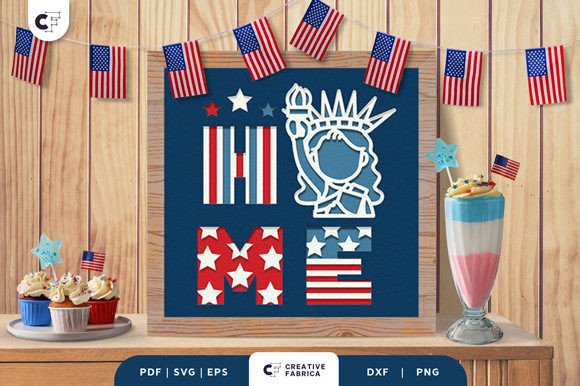
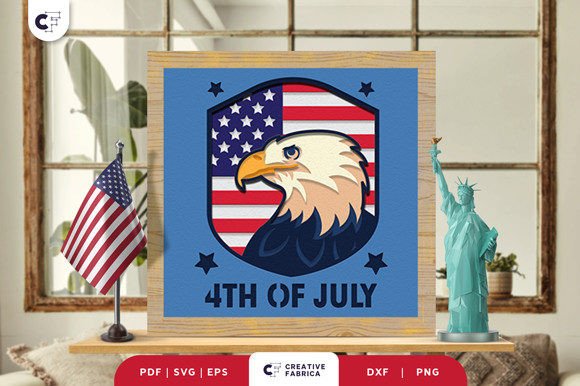
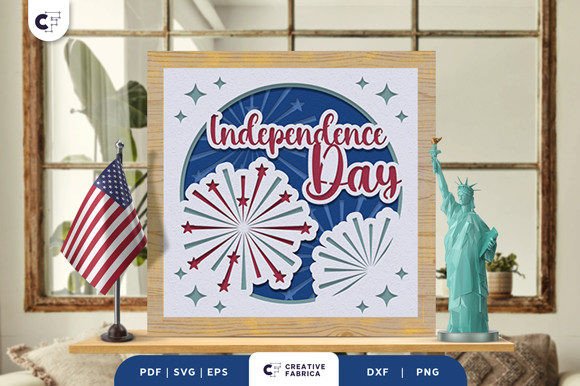
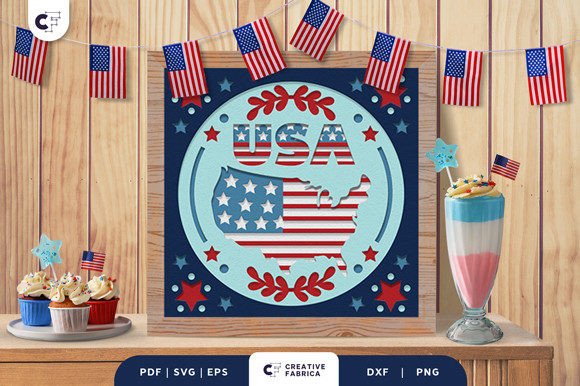
In the realm of modern graphic design, few elements capture attention quite like depth and texture. The USA Map Sign 3D Layered Paper Cut is the perfect Independence Day decoration for your patriotic soul, offering a sophisticated approach to visual storytelling that flat imagery simply cannot match. This cutting-friendly shadow box comes with a 3D design of the USA sign and map and boasts the American flag in a stunning way, serving as a prime example of how layered composition can transform a standard concept into a premium creative asset.
For designers and brand strategists, understanding the mechanics behind such pieces is crucial. This USA Map 3D Shadow Box also brings the iconic contours of the United States to life, demonstrating the power of visual hierarchy through physical stacking. When we translate this aesthetic into digital branding or print campaigns, the goal remains the same: creating a focal point that guides the viewer's eye naturally through the composition. The interplay of light and shadow in these five distinct layers mimics the depth we strive to achieve in UI design and editorial layouts through subtle drop shadows and z-index manipulation.
The Strategic Value of Layered Visuals
Integrating three-dimensional concepts into your design workflow does more than just add flair; it establishes a sense of quality and craftsmanship. To craft this USA Map 3D Shadow Box, you will need to use a digital cutting machine like Cricut and some adhesives, but the underlying principle applies broadly to vector illustration and logo design. By breaking a complex image into manageable, stacked components, designers can create scalable assets that retain clarity at any size. This technique is particularly effective for packaging design and merchandise, where tactile appeal drives consumer engagement.
When evaluating creative assets for your next project, consider how layering impacts brand identity. A well-executed layered design suggests attention to detail and a commitment to modern aesthetics. Whether you are developing social media graphics for a holiday campaign or designing a commemorative poster, the strategy of separating foreground and background elements allows for greater flexibility in color palette selection and typography placement.
Practical Applications Across Media
The versatility of layered paper cut styles extends far beyond physical decor. Here is how you can apply these principles to various professional contexts:
- Branding and Logo Design: Use layered vectors to create emblems that feel substantial and timeless, enhancing brand recognition.
- Social Media Content: Simulate depth in static posts to stop the scroll and increase engagement rates during national holidays.
- Packaging Design: Incorporate die-cut layers to create unboxing experiences that delight customers and reinforce premium positioning.
- Editorial Layouts: Apply overlapping elements in magazines or reports to guide the reader's journey through complex information.
- Web and UI Design: Utilize parallax effects and layered cards to mimic the physical depth found in shadow boxes, improving user experience.
Technical Specifications and Workflow
Precision is the backbone of successful layered design. You will receive this Independence Shadow Box in these formats – SVG– PDF– EPS– PNG– DXF, ensuring compatibility with industry-standard software like Adobe Illustrator, CorelDRAW, and Silhouette Studio. Having access to vector formats like SVG and EPS is vital for maintaining crisp edges when scaling designs for large-format printing or digital displays. The file includes 5 layers with a size of 20.32×20.32 cm, providing a balanced ratio ideal for square social posts or framed wall art.
Consistency in material choice is equally important for physical prototypes. All cardstock featured is Encore Cardstock 80 lb cover 216 gsm, a weight that offers the rigidity needed for clean cuts while remaining flexible enough for adhesion. Click here to visit 12×12 Cardstock Shop to source materials that match this professional standard. Note that the images are for preview purposes only. The actual final product color may vary slightly due to lighting sources and the paper color, a factor designers must account for when matching brand colors in print production.
Optimizing Your Creative Process
To maximize the impact of such assets, focus on contrast and spacing. In a five-layer composition, each tier must be distinct enough to cast a shadow yet cohesive enough to form a unified image. This mirrors the principles of good typography, where kerning and leading ensure readability and visual harmony. When adapting this style for digital marketing, ensure your color contrasts meet accessibility standards so that the depth effect does not compromise legibility.
Get yours today and immerse yourself in the artistry of freedom, using these techniques to elevate your own portfolio. By mastering the art of layered composition, you equip yourself with a powerful tool for visual communication. Whether you are crafting a logo, designing a website header, or producing limited-edition merchandise, the ability to manipulate depth and dimension will set your work apart. Thoughtful design choices, rooted in an understanding of structure and material, ultimately lead to stronger brand connections and more memorable user experiences.