Alphabet Robot Letter A 3D Shadow Box Guide
Crafting has evolved far beyond simple scissors and glue sticks. Today, digital design files allow creators to produce intricate, professional-looking projects right from their home studios. One of the most exciting trends in this space is the creation of layered paper art, specifically designs like the Alphabet Robot Letter a 3D Shadow Box. This isn't just a flat cutout; it is a dynamic piece of wall art that combines the nostalgia of childhood toys with modern engineering aesthetics. By stacking multiple layers of material, you transform a two-dimensional vector into a tangible object with depth, texture, and visual impact.
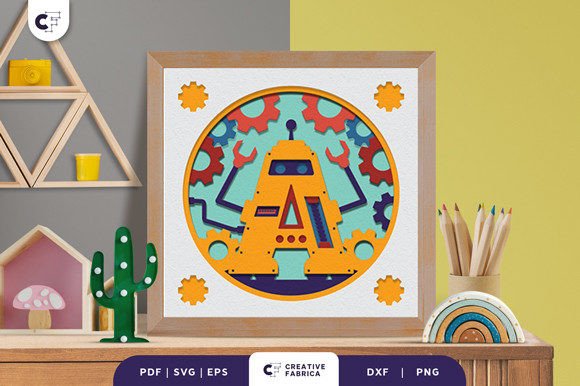
The core appeal of this specific design lies in its unique theme. Instead of a standard serif or sans-serif font, the letter "A" is constructed to resemble a friendly robot. The design features an elaborate combination of mechanical elements, including screws, bolts of various shapes, and a central circle that acts as the robot's core or eye. When assembled, these components create a cohesive character that stands out immediately. It is an ideal project for those who want to add a touch of whimsy and tech-inspired charm to a nursery, a classroom, or a creative workspace without sacrificing sophistication.
Why Choose Layered Robot Art for Your Next Project?
For beginners and seasoned crafters alike, the primary draw of the Alphabet Robot Letter A 3D Shadow Box is the balance between complexity and ease of assembly. While the final result looks highly detailed, the process is streamlined through precise digital planning. The design typically consists of seven distinct layers. This number is strategic; it provides enough depth to create a significant shadow effect without making the assembly process overwhelming or requiring an excessive amount of adhesive.
Each layer serves a specific purpose in building the illusion of three-dimensionality. The base layer anchors the design, while subsequent layers add the contours of the robot's body, the protrusion of the bolts, and the definition of the letter shape itself. When light hits the finished piece, these layers cast subtle shadows against one another, enhancing the features of the robot and giving the artwork a life-like quality. This technique, often called "paper engineering," allows you to create something that looks like it was molded or carved, even though it is made from flat sheets of cardstock or wood.
Versatile Applications for Home and Business
The utility of this digital design extends far beyond a single weekend hobby. Because the file is provided in high-quality formats compatible with major cutting machines, it fits seamlessly into various personal and professional workflows. Here are several ways you can utilize this Alphabet Robot Letter a 3D Shadow Box:
- Nursery and Kids' Room Decor: The robot theme is universally appealing to children. Creating a full set of letters to spell out a name adds a personalized, custom touch to a child's room that store-bought posters simply cannot match.
- Educational Tools: Teachers can use these large, tactile letters to help young students recognize alphabet shapes. The 3D nature of the object makes it engaging for sensory learning environments.
- Small Business Products: Entrepreneurs selling handmade goods on platforms like Etsy can use this design to create ready-to-assemble kits or finished framed art. The "epic high quality" of the vector ensures that the cut lines are clean, reducing material waste and production time.
- Unique Gifting: A framed shadow box makes for a thoughtful gift for new parents, robotics enthusiasts, or anyone who appreciates handmade decor. It shows a level of effort and creativity that is deeply appreciated.
Technical Requirements and Material Selection
To bring this design to life, you need the right combination of digital files and physical materials. The design package usually includes a comprehensive suite of file formats such as SVG, PDF, EPS, PNG, and DXF. This variety ensures compatibility regardless of your equipment. Whether you are using a Cricut or Silhouette for paper crafting, a Glowforge for acrylic or wood, a CNC router for thicker materials, or a Brother ScanNCut, there is a file type ready for your machine.
Selecting the right material is crucial for the success of your Alphabet Robot Letter A 3D Shadow Box. While standard cardstock is the most common choice due to its ease of cutting and availability in endless colors, you can experiment with other mediums. Heavyweight paper works well for a softer look, while thin plywood or basswood can create a rugged, industrial aesthetic that complements the robot theme perfectly. If you choose wood, ensure your laser cutter or CNC machine is calibrated for the thickness to maintain the precision of the small bolt details.
Adhesion is another critical factor. For paper and cardstock, a fine-tip glue bottle or double-sided tape strips work best. You want to apply adhesive only where the layers overlap to avoid visible glue marks on the face of the robot. For wood or heavier materials, a strong craft glue or epoxy may be necessary to hold the weight of the stacked layers securely within the frame.
Assembly Tips for a Professional Finish
Constructing the shadow box is a methodical process. Start by organizing your seven cut layers in order. It is helpful to lay them out on a flat surface before applying any glue to visualize the stacking sequence. Begin with the background layer and work your way up to the top detail layer. Pay close attention to the alignment of the screws and bolts; these small details define the character of the robot. Misalignment here can disrupt the visual flow of the entire piece.
Once assembled, the artwork needs a proper home. A deep-set shadow box frame is essential to accommodate the height of the seven stacked layers. A standard photo frame will crush the design, so ensure you select a frame with enough depth—usually at least half an inch to an inch, depending on your material thickness. The glass or acrylic front of the frame protects the delicate paper edges from dust while allowing the light to interact with the layers, maximizing the 3D effect.
In conclusion, the Alphabet Robot Letter a 3D Shadow Box represents a perfect intersection of digital convenience and analog craftsmanship. It offers a structured yet creative outlet for makers of all skill levels. Whether you are looking to decorate a space, launch a product line, or simply enjoy the satisfaction of building something with your own hands, this design provides a robust foundation. With its clear instructions, compatible file formats, and charming aesthetic, it invites you to explore the depths of layered crafting and create something truly eye-catching.